VI Bronco Poker Run
What is a Bronco Poker Run? Our Bronco Poker Run is a small event where enthusiasts drive, specifically, Ford Bronco or Bronco Sports, to five...
Read more
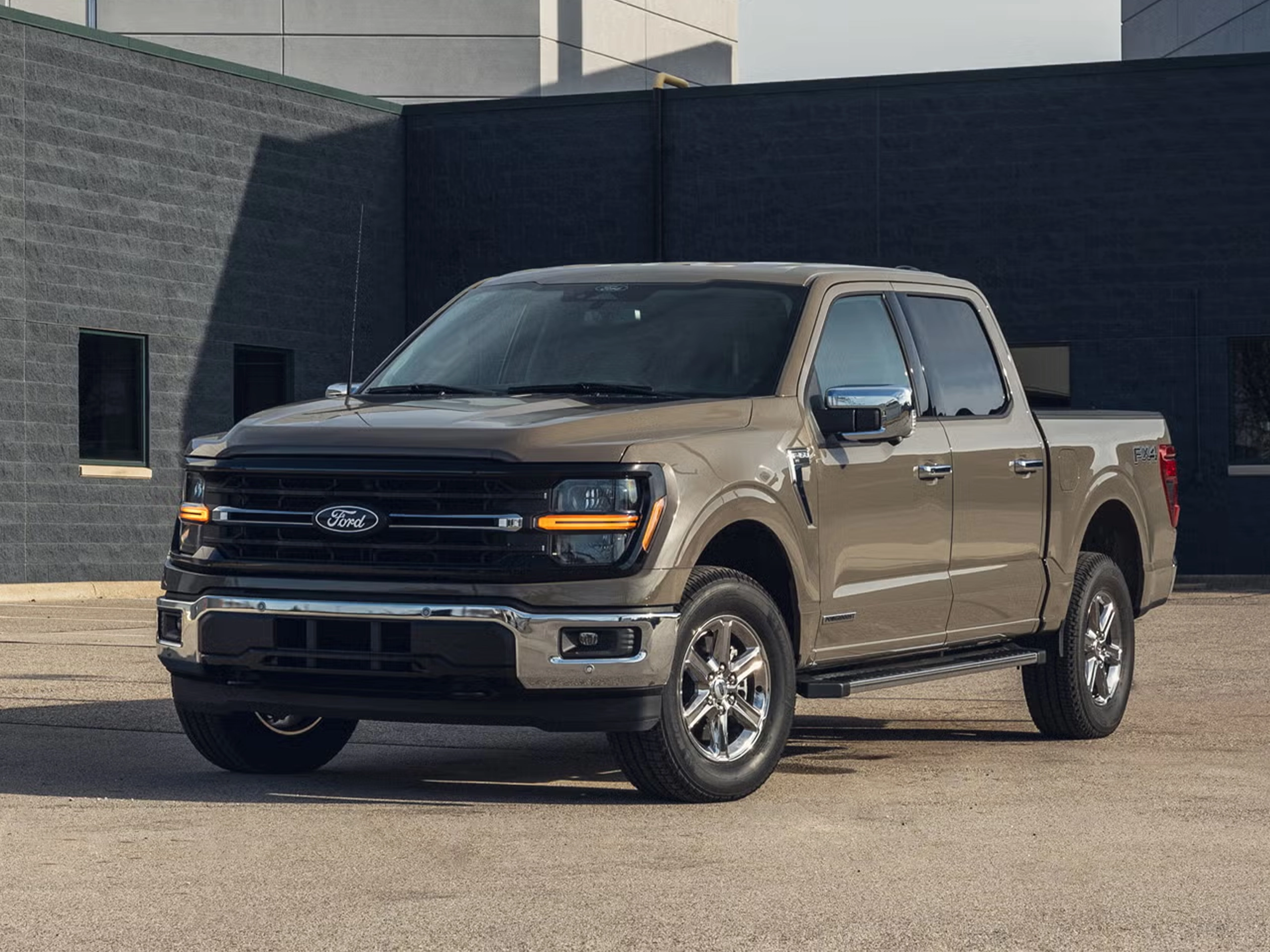
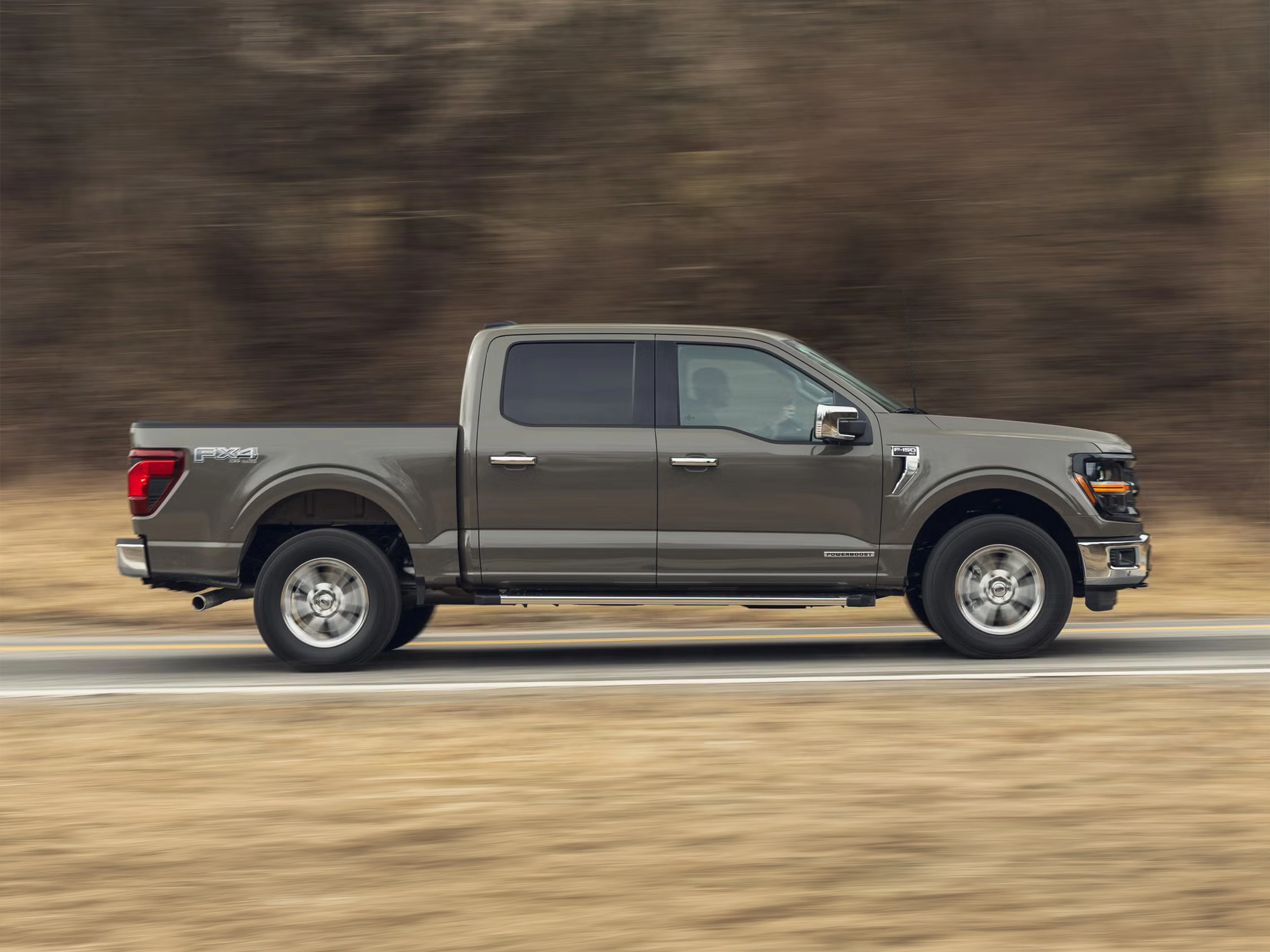
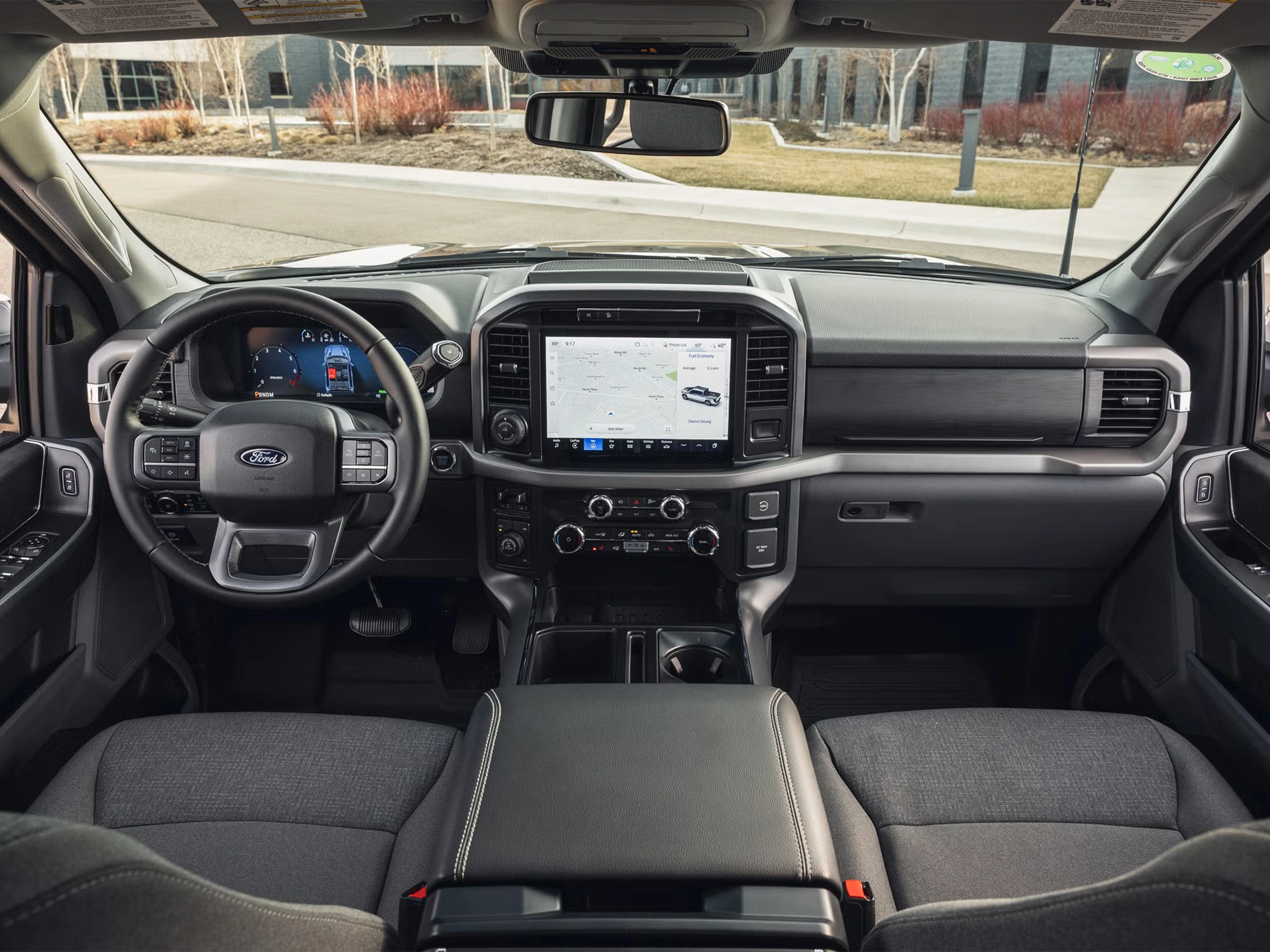
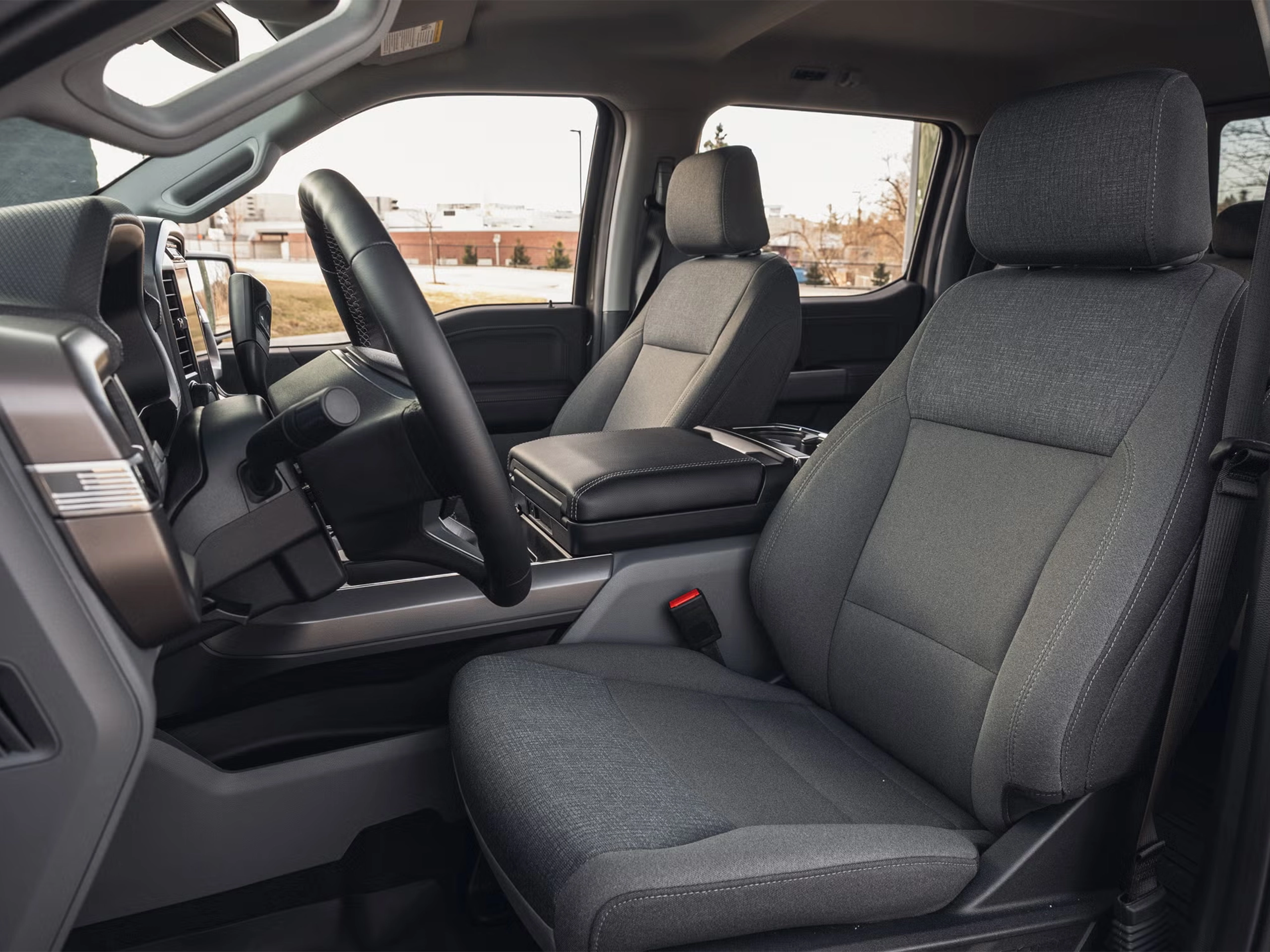
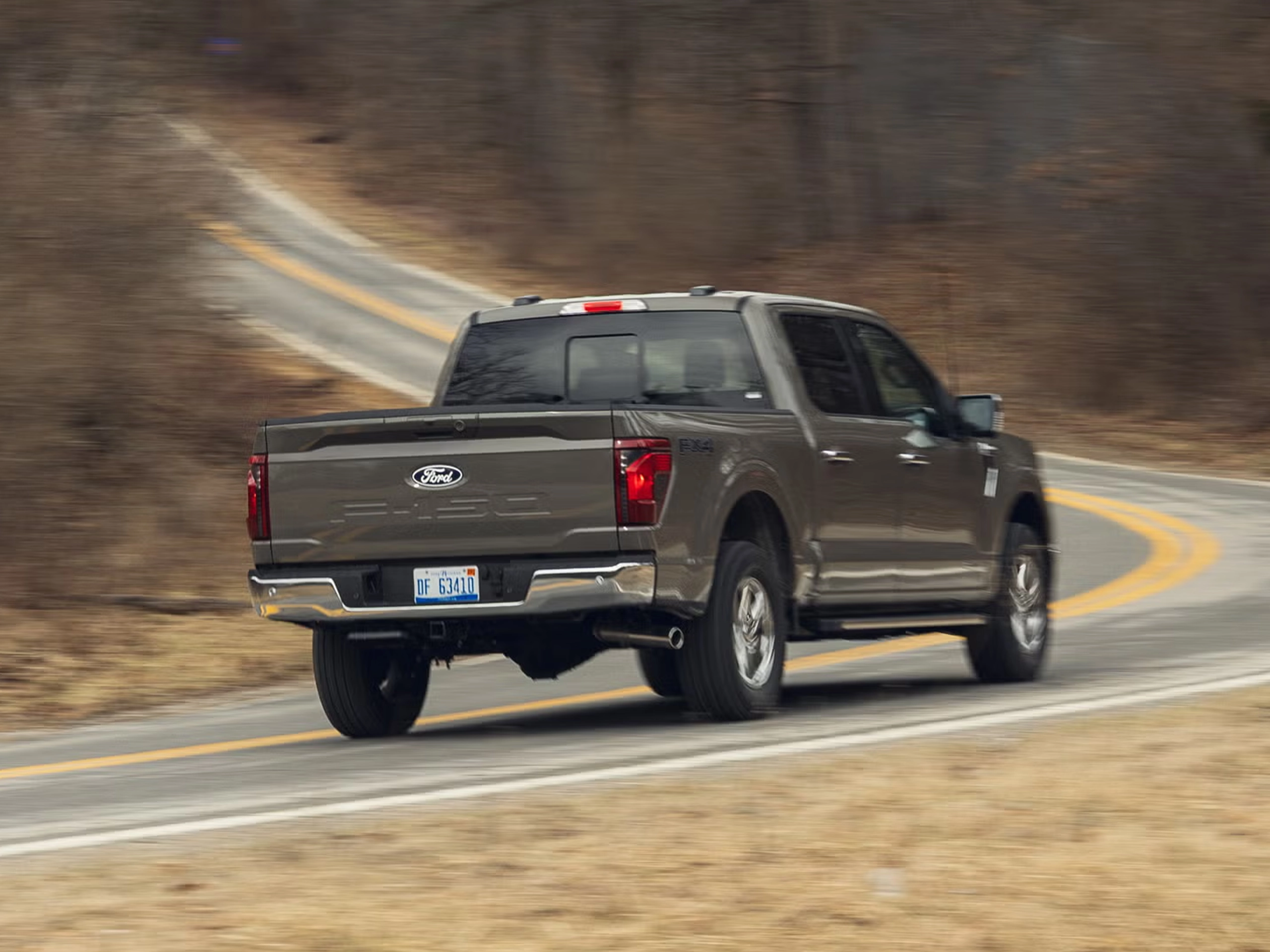
Few vehicles offer buyers as much choice under the hood as the Ford F-150, and that remains a major part of the truck’s appeal for 2027. However, Ford is making an important change to the lineup: the familiar 2.7-litre EcoBoost V6 is leaving the F-150, a new 3.0-litre EcoBoost V6 is taking its place, and the traditional 5.0-litre V8 is becoming available in more versions.
For truck buyers, these changes are more meaningful than a simple engine swap. They reinforce one of the F-150’s biggest advantages: the ability to choose a powertrain based on how you actually intend to use your truck.
Ford Canada had not yet released the complete final Canadian 2027 F-150 specifications at the time of writing, so some output and towing figures for the new model remain to be confirmed. Reports based on 2027 ordering information nevertheless give us a clear picture of the powertrain strategy.
The headline change is the arrival of a twin-turbocharged 3.0-litre EcoBoost V6 in place of the long-running 2.7-litre EcoBoost. The 3.0-litre is expected to become the standard engine in many XL, STX and XLT configurations and will also be available in selected Lariat models. Ford has not yet confirmed its final F-150 horsepower and torque ratings.
That matters because this engine has substantial performance potential. Versions of Ford’s 3.0-litre twin-turbo V6 are already used elsewhere in the company’s lineup, but assuming one of those existing outputs for the F-150 would be premature. The truck will have its own calibration, and Ford can prioritize torque delivery, durability and towing characteristics differently.
What we do know is that the outgoing Canadian-market 2.7-litre EcoBoost currently develops 325 hp and 400 lb-ft, giving the new 3.0-litre a meaningful benchmark to surpass.
The larger 3.5-litre EcoBoost V6 remains part of the 2027 lineup. This engine has traditionally been an excellent fit for owners who regularly tow because turbocharging produces substantial torque at relatively low engine speeds. In the current Canadian F-150, the 3.5-litre EcoBoost produces 382 hp and 500 lb-ft of torque, although Ford still needs to confirm whether those figures will carry over unchanged for 2027.
For boat owners, RV users and contractors around Vancouver Island, this is likely to remain one of the most relevant F-150 engines when towing capability takes priority.
For drivers who still prefer naturally aspirated V8 power, 2027 brings good news. The 5.0-litre V8 remains in the F-150 lineup and is expected to become available again in the King Ranch and Platinum. That expands its presence into the F-150’s more luxurious models instead of steering those buyers exclusively toward EcoBoost or PowerBoost engines.
The current Canadian 5.0-litre develops 400 hp and 410 lb-ft of torque. Its appeal goes beyond the numbers. Some truck owners simply prefer the linear response, sound and familiar character of a naturally aspirated eight-cylinder engine.
At a time when several competitors have reduced or eliminated V8 choices, Ford expanding availability is noteworthy.
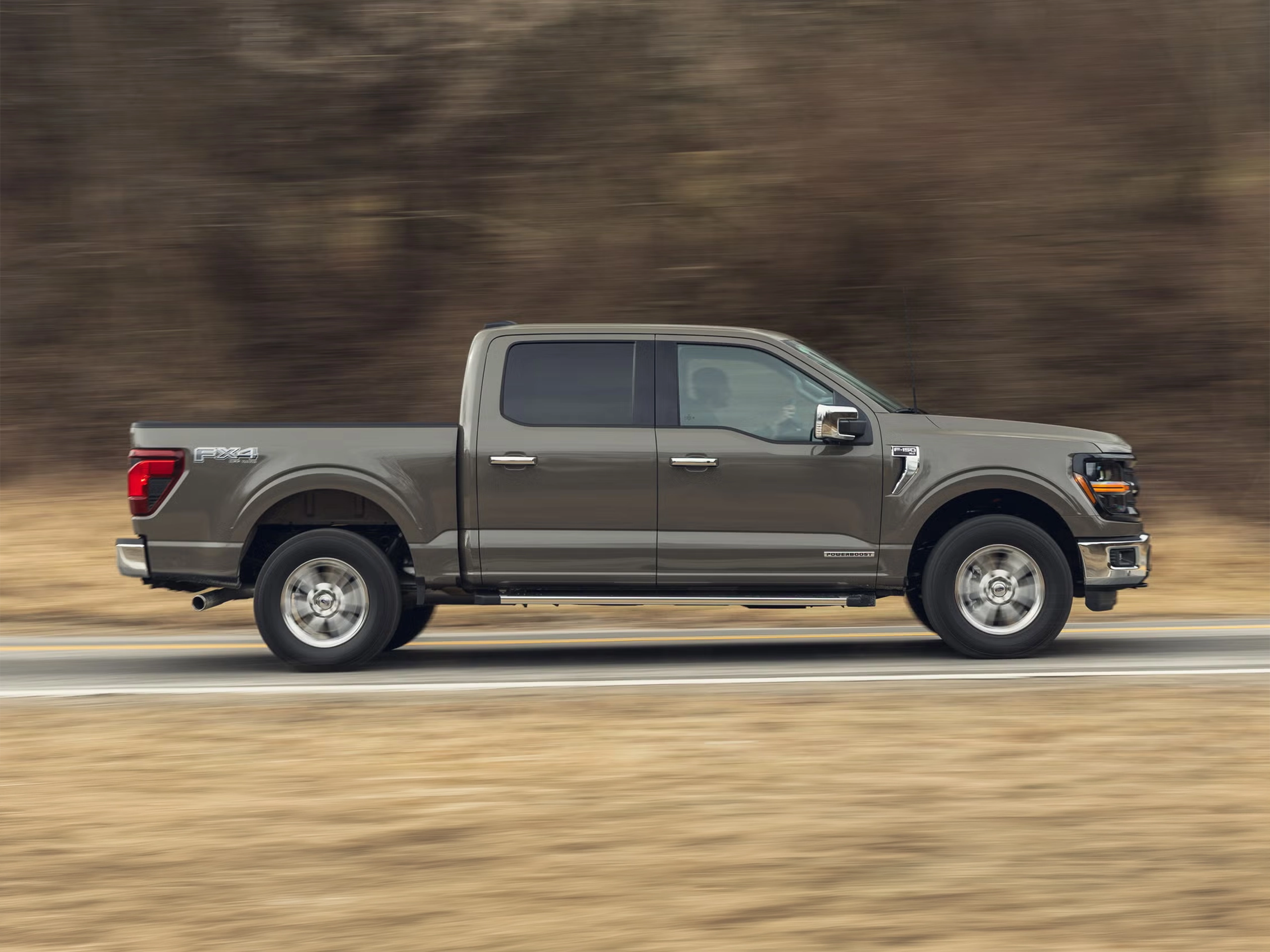
The 3.5-litre PowerBoost Full Hybrid V6 also continues for 2027, giving F-150 buyers an alternative that combines a twin-turbo gasoline engine with electric assistance. In the current Canadian F-150, PowerBoost produces 420 hp and 570 lb-ft of torque according to Ford Canada’s detailed specifications. It can also be paired with available Pro Power Onboard, allowing the truck to serve as a mobile source of electrical power. Final 2027 Canadian ratings still need to be confirmed.
PowerBoost is particularly interesting because the hybrid system isn’t focused solely on reducing fuel consumption. The electric motor also adds torque and expands the truck’s functionality.
Performance models sit in a category of their own. The current Canadian F-150 Raptor uses a High-Output 3.5-litre EcoBoost V6 producing 450 hp and 510 lb-ft, while the Raptor R’s supercharged 5.2-litre V8 generates 720 hp and 640 lb-ft. The Raptor family is expected to continue into 2027, although Canadian specifications and availability should be verified once Ford publishes the complete model-year information.
There is no single best F-150 engine because each addresses a different kind of buyer. The new 3.0-litre EcoBoost should provide a strong starting point for everyday truck use. The 3.5-litre EcoBoost remains compelling for serious towing. The 5.0-litre V8 offers traditional naturally aspirated character, while PowerBoost combines considerable torque with hybrid technology and useful onboard power capability. Raptor models occupy the extreme-performance end of the spectrum.
That variety is exactly why the F-150 remains so difficult to define with a single specification. At Sunshine Mountain Ford in Nanaimo, buyers will be able to compare the different 2027 F-150 configurations as Canadian ordering details become available and choose an engine based on the work, towing, travel and everyday driving their truck will actually do.
VI Bronco Poker Run
What is a Bronco Poker Run? Our Bronco Poker Run is a small event where enthusiasts drive, specifically, Ford Bronco or Bronco Sports, to five...
Read more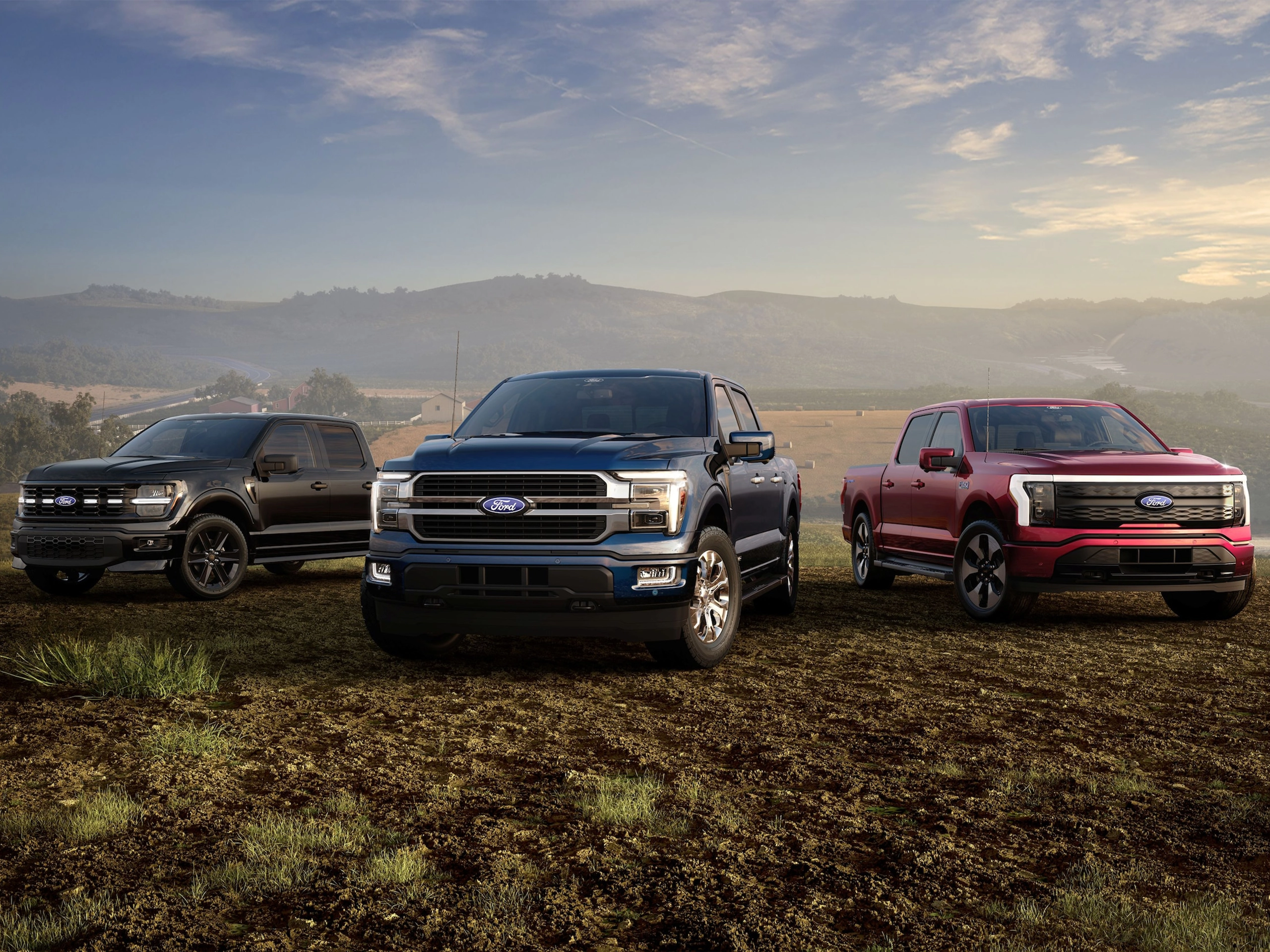
Meet the New Ford Fathom: Ford’s Affordable Electric Truck Is Coming in 2027
Ford is preparing to introduce one of its most important new vehicles in years, and it isn’t another enormous pickup or high-priced electric SUV....
Read more
Community Support
Sunshine Mountain Ford's Community Support At Sunshine Mountain Ford Lincoln, community isn’t just something we talk about, it’s the heart of...
Read morePowered and developed by